
Highlights
- China's rare earth industry is shifting focus from expanding mining to comprehensive utilization, emphasizing:
- Recycling
- Digitalization
- AI optimization
- Environmental compliance
- The Ganzhou conference highlights China's strategic focus on:
- Heavy rare earths
- Building higher technological barriers through digitally optimized processing
- Tighter supply chain coordination from the 14th to 15th Five-Year Plan
- For Western supply chains, competing with China now requires:
- Matching sophisticated systems for recycling
- Adhering to standards
- Incorporating industrial intelligence
- Not just opening new mines
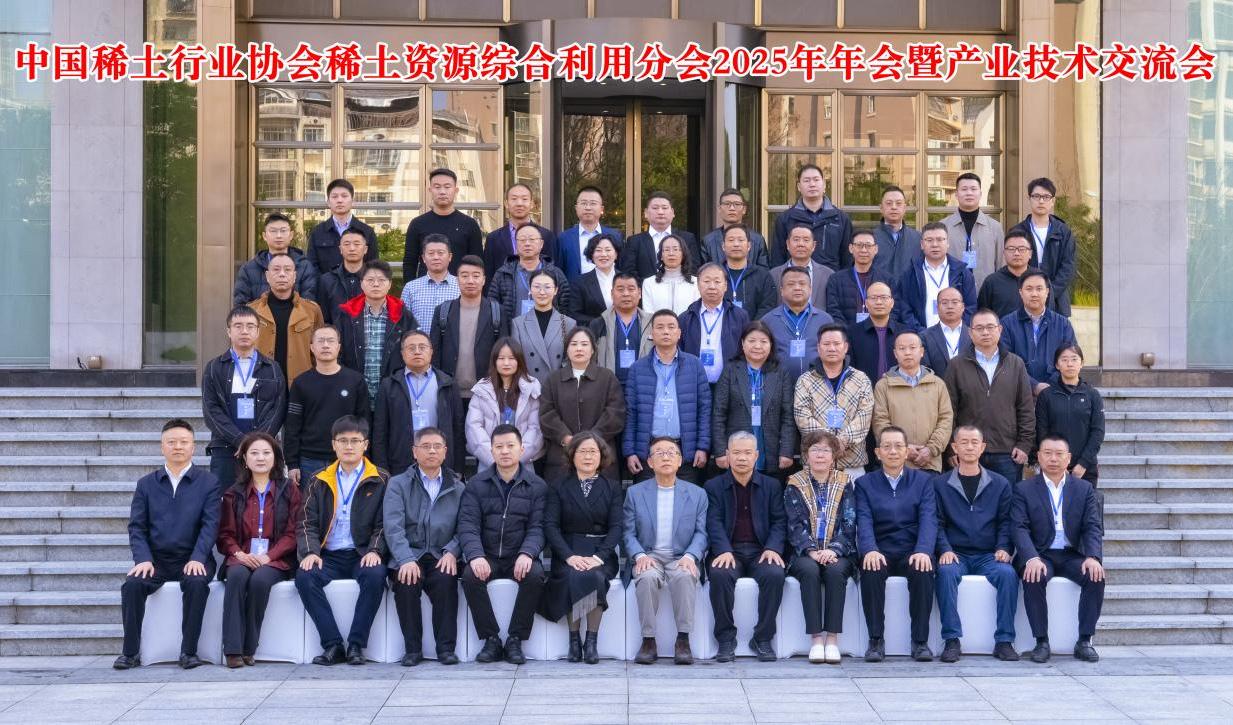
Mid last month the China Rare Earth Industry Association convened its annual meeting and industrial technology exchange focused on comprehensive utilization of rare earth resources in Ganzhou, Jiangxi Province—a core hub of China’s heavy rare earth ecosystem. Senior officials from provincial industry regulators, executives from China Rare Earth Group, and more than 90 experts from 40 domestic institutions attended.
At a headline level, this was not a routine industry conference. The messaging and agenda point to China’s next phase of rare earth consolidation: higher efficiency, tighter control, and deeper integration of recycling, digitalization, and environmental compliance across the supply chain.
What China Is Signaling
Association leadership emphasized that rare earths are not only an economic asset but a national strategic resource, essential to advanced manufacturing and defense. The focus of “comprehensive utilization” goes well beyond mining output. It explicitly includes:
- Improved recovery rates across mining, separation, and downstream processing
- Recycling and secondary utilization, including scrap, tailings, and end-of-life products
Industrial digitization, applying AI and industrial internet systems to optimize processing* Environmental and carbon controls, aligned with China’s “dual carbon” (emissions peak and neutrality) goals
Speakers acknowledged that while progress has been made, China still sees gaps in technical standardization, management systems, tax compliance, wastewater treatment, and end-to-end coordination across the value chain—areas now being prioritized.
Why This Matters for the U.S. and the West
For Western policymakers and investors, the significance lies in what wasn’t discussed: expanding raw output. Instead, China is doubling down on extracting more value—and more control—from the same resource base.
Key implications:
- Recycling and secondary supply could reduce China’s need for new mining while tightening control over global availability.
- Digitally optimized processing raises the barrier for competitors trying to replicate China’s cost and quality advantages.
- Environmental compliance framed as strategic, not restrictive—allowing China to claim ESG leadership while preserving dominance.
- Ganzhou’s central role reinforces China’s grip on heavy rare earths critical for permanent magnets used in EVs, wind turbines, and defense systems.
The meeting also framed these initiatives as foundational for the transition from China’s 14th Five-Year Plan to the 15th, signaling policy continuity rather than experimentation.
Bottom Line
This was not a breakthrough announcement—but it was a clear strategic signal. China is refining, not relinquishing, its rare earth dominance by moving upstream and downstream simultaneously: less waste, more control, tighter coordination, and higher technological barriers.
For the U.S. and allied supply chains, this reinforces a hard truth: competing with China on rare earths is no longer just about opening mines—it’s about systems, standards, recycling, and industrial intelligence.
Disclaimer: This article is translated and interpreted from content published by a state-affiliated Chinese industry association. The information and claims should be independently verified.
©!-- /wp:paragraph -->


0 Comments