
Highlights
- Nearly 50% of Toyota's 2025 vehicles used electric motors, driven by hybrid dominance (Camry, Corolla, Sequoia), not BEVs, reshaping rare earth demand patterns.
- Hybrids require NdPr permanent magnets for traction motors; slowing BEV adoption doesn't reduce rare earth pressure, it redistributes it across higher vehicle volumes.
- Critical supply chain risk: Over 85% of sintered NdFeB magnets are produced in China—hybrid growth without magnet diversification creates volume-based vulnerability.
Reporting from The Drive reveals a deceptively simple headline: nearly half of all vehicles sold by Toyota Motor Corporation in 2025 used an electric motor. The detail matters. This is not a battery-electric (BEV) story. It is a hybrid story—Camry, Corolla, Sequoia—models now hybrid-only or hybrid-first. Toyota’s lone BEV declined in sales; hydrogen collapsed further. Electrification, yes. EV absolutism, no.
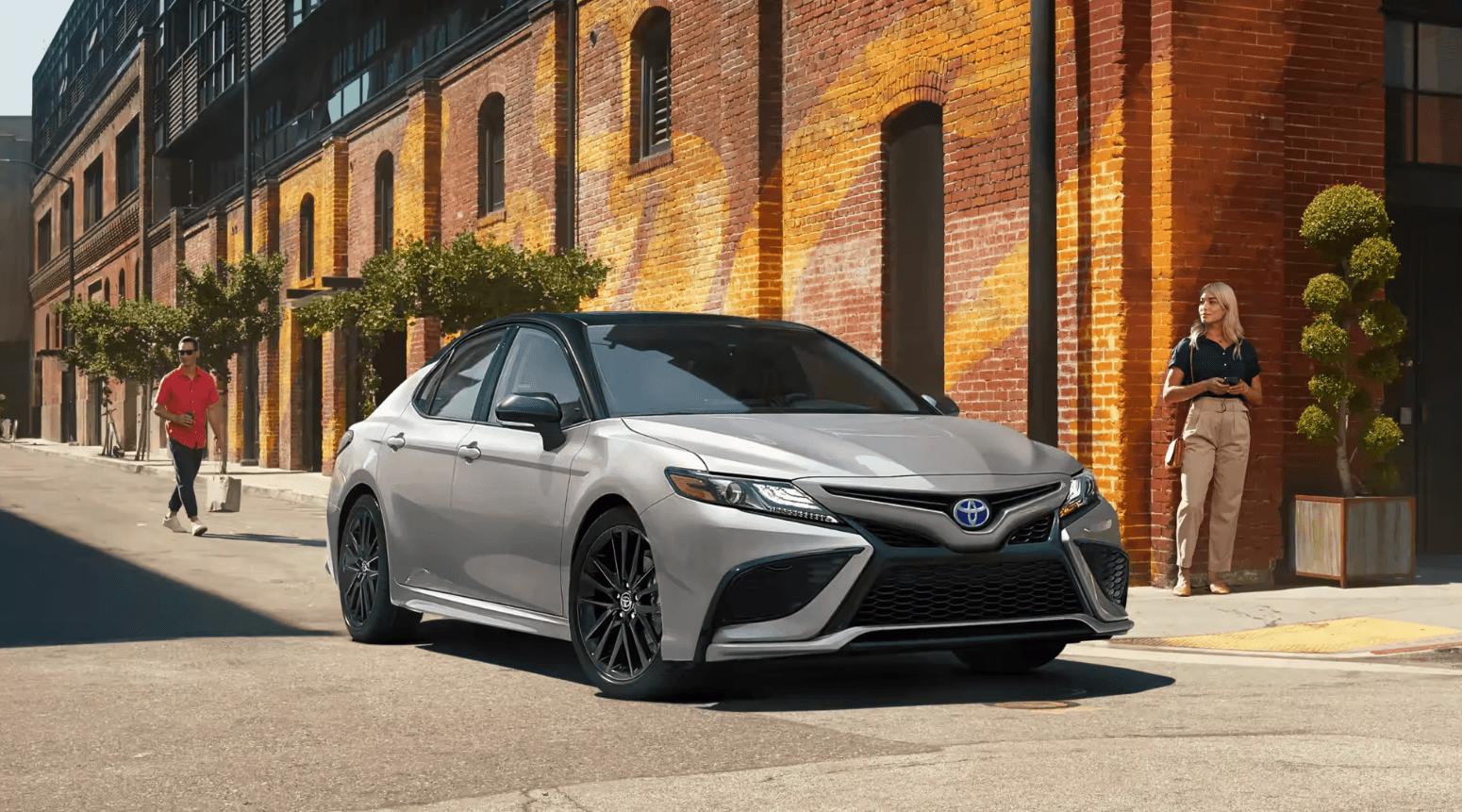
That distinction is accurate and crucial. Hybrids now dominate Toyota’s electrified mix, and they are quietly reshaping demand where it counts: motors, not megawatt-hours.
Table of Contents
Motors Eat Magnets—Hybrids Included
Every hybrid still relies on electric traction motors. Those motors overwhelmingly use permanent magnets made with neodymium and praseodymium (NdPr), often alloyed with dysprosium or terbium for heat resistance. Fewer batteries do not mean fewer rare earths. In fact, hybrids can be magnet-intensive relative to their size because they optimize torque density and efficiency.
The implication: slowing BEV adoption does not reduce pressure on the rare earth magnet supply chain. It redistributes it. High-volume hybrids spread magnet demand across millions of vehicles rather than concentrating it in fewer, larger battery packs.
What the Coverage Gets Right—and What It Misses
The article (opens in a new tab) accurately frames Toyota’s strategy as pragmatic and consumer-driven. It avoids the common media bias that equates “electrification” exclusively with BEVs. Where it falls short is downstream context. There is little acknowledgment that hybrids still lock automakers into Chinese-centric magnet supply chains—mining, separation, metal, and finished magnets.
Absent from the narrative is the choke point: over 85% of sintered NdFeB magnets are produced in China. A hybrid boom without magnet diversification is not resilient; it is volume risk.
Why This Matters Now
For investors and policymakers, Toyota’s numbers are a signal. The electrified future is arriving through hybrids first. That makes rare earth magnets—not lithium—the near-term constraint. Any credible Western auto strategy now hinges on non-Chinese magnet capacity coming online at speed.
Hybrids are winning the showroom. China still owns the motor.
Citation
The Drive, “Almost Half of All Toyotas Sold Last Year Had an Electric Motor,” January 6, 2026.
©!-- /wp:paragraph -->


0 Comments